Sustainable tourism is no longer a passing trend or a marketing label — it is the way the Caribbean must approach the future of travel. On an island like the Dominican Republic, where biodiversity is a treasure and ecosystems are delicate, traveling comes with responsibility. Practicing sustainable tourism means enjoying landscapes, adventure, and culture without leaving a negative footprint, supporting local communities and protecting the natural resources that make this destination a true paradise.
In the context of Punta Cana — globally known for its beachfront resorts — the real opportunity lies in looking beyond the coastline and discovering the country’s lush interior. This guide will show you how to experience maximum adrenaline without compromising the environment, and why La Hacienda Park represents one of the most authentic examples of sustainable tourism in the Dominican Republic.
Sustainable tourism in the Dominican Republic: far beyond beaches
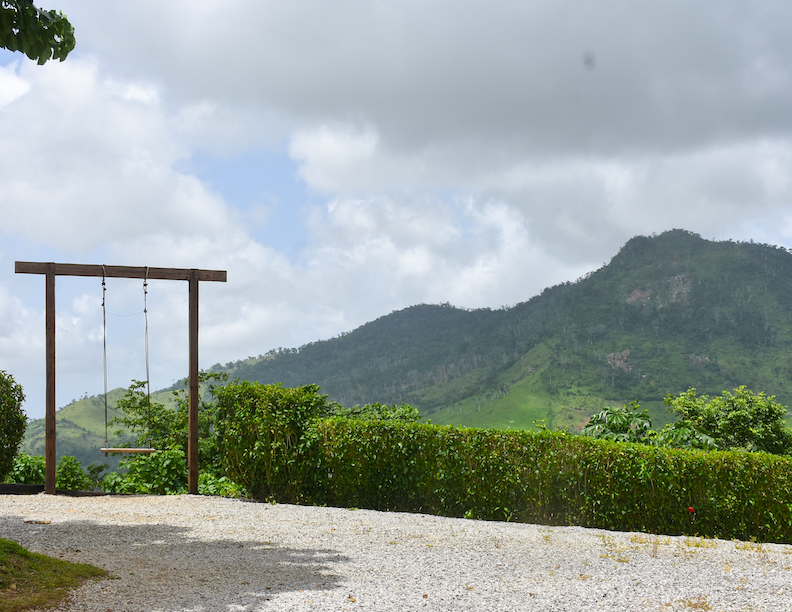
Talking about eco-tourism in the Dominican Republic means talking about tropical forests, freshwater rivers, mountain ranges covered in vegetation, and a natural richness that extends far beyond the hotel strip. The interior of the country, especially the Higüey and Anamuya region, preserves landscapes where native flora and fauna thrive away from intensive urban development.
Here, travelers encounter another side of the Caribbean: rural trails, agricultural communities, cacao and coffee plantations, and a deep connection between people and land. This setting makes the region ideal for those seeking responsible travel in the Caribbean, where the experience is not about consuming a destination, but understanding and respecting it.
La Hacienda Park: adrenaline with awareness
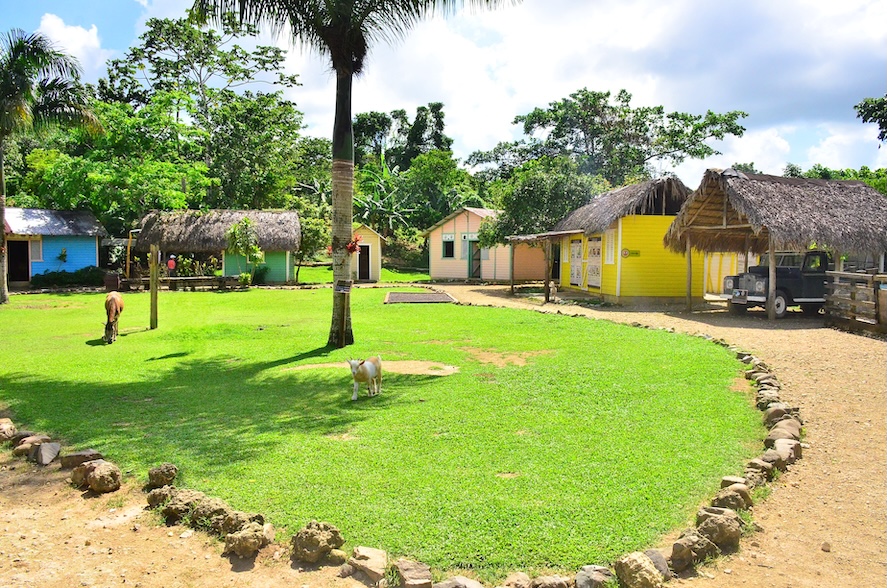
Within this natural environment lies La Hacienda Park, a project that proves adventure and conservation can coexist.
Real integration with the landscape
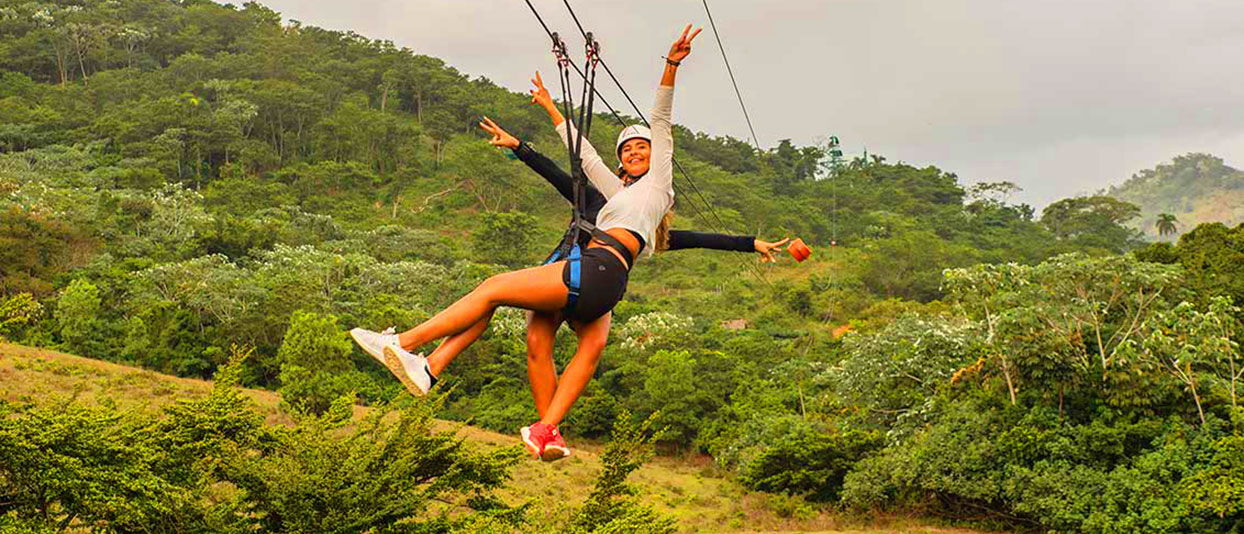
The park’s infrastructure — including the chairlift and ziplines — has been designed to adapt to the natural height of the trees and the topography of the terrain. Rather than imposing aggressive structures, the design respects the morphology of the environment and minimizes unnecessary intervention.
This integration allows visitors to enjoy spectacular panoramic views while vegetation remains protected, reinforcing the idea of one of the best natural parks near Punta Cana with a sustainability-focused approach.
Water and biodiversity protection
The rivers and cenotes that cross the property are not simply scenic elements — they are living ecosystems. Biodiversity protection in the DR means preserving these freshwater sources, preventing chemical contamination, and educating visitors about their importance.
The park promotes responsible practices such as the use of biodegradable products and respect for sensitive areas, ensuring tourism activities do not disrupt ecological balance.
Conscious waste management
One of the main challenges of mass tourism in the Caribbean is plastic waste. At La Hacienda Park, measures are implemented to reduce single-use plastics and ensure proper waste management within the traditional Dominican buffet.
These actions, while discreet, are essential components of true eco-friendly excursions in Punta Cana, where every logistical decision contributes to building a cleaner tourism model.
Sustainable tourism connects you to the land
Sustainable tourism does not only protect nature — it strengthens cultural identity.
Rural safari and local agriculture
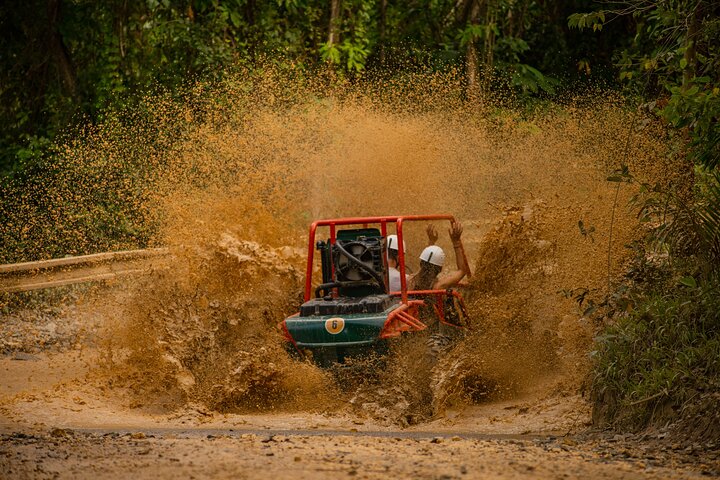
During the safari experience, visitors do more than observe the landscape. They learn about coffee and cacao cultivation, pillars of the local economy. This educational approach helps travelers understand the effort behind products often consumed without awareness of their origin.
This transforms the excursion into a meaningful conscious tourism experience in the Dominican Republic, where learning becomes part of the adventure.
Ethical horseback riding
Equestrian tradition is part of the DNA of the Higüey region. At the park, horses receive continuous veterinary care and appropriate rest periods. Animal welfare is not an afterthought, but a commitment aligned with sustainable tourism principles.
Adventure here is not based on exploitation, but on respect for every living element involved.
How to practice sustainable tourism in Punta Cana
Being a responsible traveler does not require extreme sacrifices — only informed decisions.
- Use biodegradable sunscreen, especially when visiting rivers or cenotes. This protects water quality and aquatic life.
- Support the local economy by purchasing agricultural products or handicrafts directly from producers in Higüey.
- Choose certified operators, avoiding informal tours that do not follow environmental or labor standards.
- Reduce personal waste, bringing reusable bottles and minimizing unnecessary plastic use.
Small actions collectively create meaningful positive impact.
The future of Caribbean adventure is sustainable
True luxury today is not just comfort — it is conservation. In a global context where ecosystems face increasing pressure, sustainable tourism becomes the only viable path to preserving the Caribbean’s natural beauty.
La Hacienda Park reinvests in trail maintenance, the local Anamuya community, and environmental regeneration. This model demonstrates that adrenaline, adventure, and environmental ethics are not opposites — they are complementary forces.
Travelers who choose responsible experiences do more than enjoy a destination — they help protect it.
Ready for an adventure that respects the planet?
Book your experience at La Hacienda Park and discover Punta Cana’s greener, more authentic side.