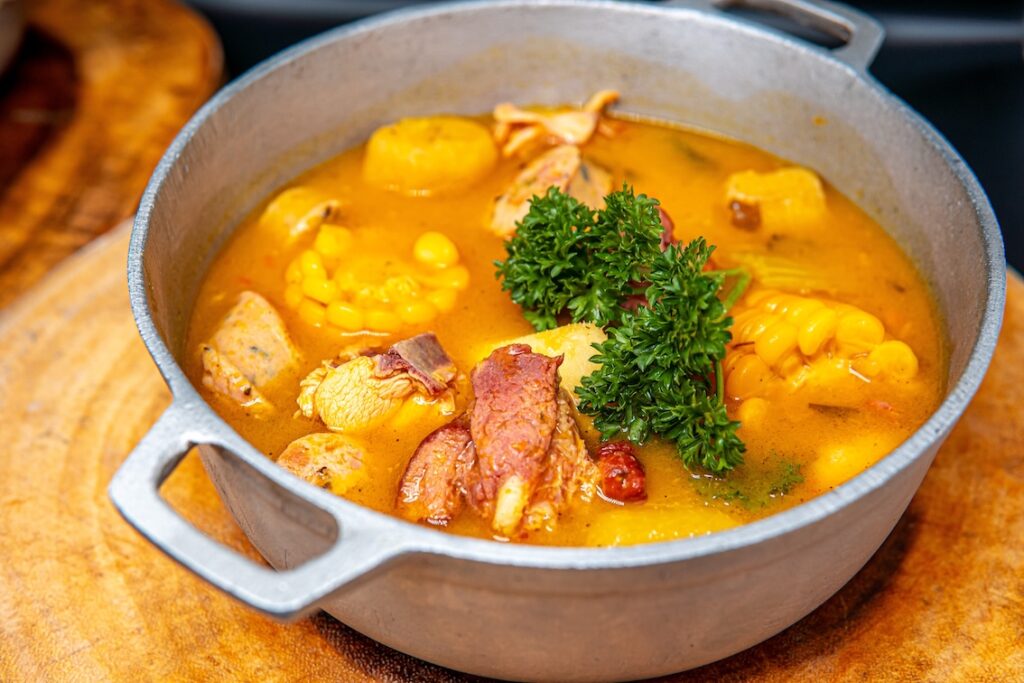
Traditional Dominican food is a direct gateway to the soul of the country. Beyond its beaches and landscapes, the Dominican Republic is discovered through its flavors, where every dish tells a story shaped by Taíno, Spanish, and African influences. It is not just about eating, but about sharing, celebrating, and experiencing the authentic Dominican “sazón.”
Exploring traditional Dominican food means immersing yourself in a culture where cooking is an act of community. Every recipe, ingredient, and technique reflects an identity built over generations, still alive today both in local homes and in authentic experiences for travelers.
Traditional Dominican food: the ingredients that define everything
The foundation of traditional Dominican food lies in simple yet character-rich ingredients that come together to create bold and memorable dishes.
Ingredients of Dominican cuisine
Plantain is one of the true stars. It is eaten fried as tostones, boiled, or mashed into mangú, showcasing its versatility in local cuisine.
Rice and beans form the core of everyday meals. This combination, present in almost every household, represents the perfect balance between flavor, nutrition, and tradition.
Dominican sofrito is the secret behind many dishes. Made with garlic, onion, ají gustoso (local pepper), cilantro, and oregano, it provides the aromatic base that defines most authentic Dominican food recipes.
Traditional Dominican food: the must-try menu
Talking about traditional Dominican food means highlighting iconic dishes that every visitor should try at least once.
What is “La Bandera Dominicana” (the national dish)
La Bandera Dominicana is the country’s most representative dish. It consists of white rice, stewed beans, and meat, usually chicken or pork. Its name refers to the colors of the Dominican flag, symbolized through its ingredients.
This dish perfectly represents the essence of traditional Dominican food, combining simplicity with a rich balance of flavors.
Sancocho dominicano original recipe
Sancocho is considered the king of Dominican celebrations. This thick stew, made with a variety of meats and vegetables, is famous for its comforting nature and its role in bringing people together.
The original Dominican sancocho recipe may vary by region, but its essence remains the same: a hearty, flavorful dish deeply rooted in tradition.
Other essential classics
In addition to main dishes, there are key side dishes that complete the experience:
- Tostones, the universal side dish
Fried green plantains served alongside countless meals. Their crispy exterior and soft interior make them the perfect complement to meats and fish. - Auyama cream, a taste of the countryside
This pumpkin-based soup is smooth, comforting, and widely enjoyed in rural and coastal areas. Its slightly sweet flavor and creamy texture make it suitable for any time of day.
Dominican desserts: the perfect ending
The experience of traditional Dominican food would not be complete without its desserts. Dominican sweets reflect the same cultural richness as savory dishes.
Rice pudding is one of the most popular, prepared with cinnamon and milk for a creamy and aromatic result. Coconut-based sweets, guava desserts, and milk confections are also common, offering a perfect sweet finish to any meal.
From farm to table: the buffet at La Hacienda Park
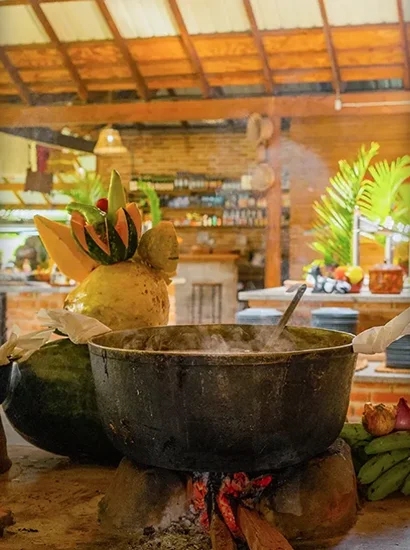
For those seeking authenticity, La Hacienda Park offers much more than adventure. Its culinary proposal is based on traditional Dominican food prepared with local ingredients and techniques that respect tradition.
This is not typical hotel food, but dishes made by local hands, with flavors that reflect true Dominican home cooking. In many cases, traditional pots and cooking methods provide that distinctive smoky taste that defines authenticity.
Additionally, lunch is included with admission, making it the perfect complement after a day of buggies, ziplines, and outdoor exploration.
Dominican food glossary
To better understand traditional Dominican food, it helps to become familiar with some key terms:
- Concón
The crispy layer of rice that forms at the bottom of the pot. It is considered a true culinary treasure for its intense flavor and unique texture. - Mangú
Mashed green plantains, typically served for breakfast with eggs, cheese, and salami, known as “los tres golpes.” - Chinola
The local name for passion fruit, widely used in juices and desserts. - Morir soñando
A refreshing drink made from orange juice and milk, a surprising and delicious local specialty.
Discover authentic flavors at La Hacienda Park
If you truly want to experience traditional Dominican food, there is no better way than tasting it in its most authentic setting. Book your adventure at La Hacienda Park and enjoy the most genuine Dominican buffet in Punta Cana, where every dish tells a story and every flavor becomes a memory.