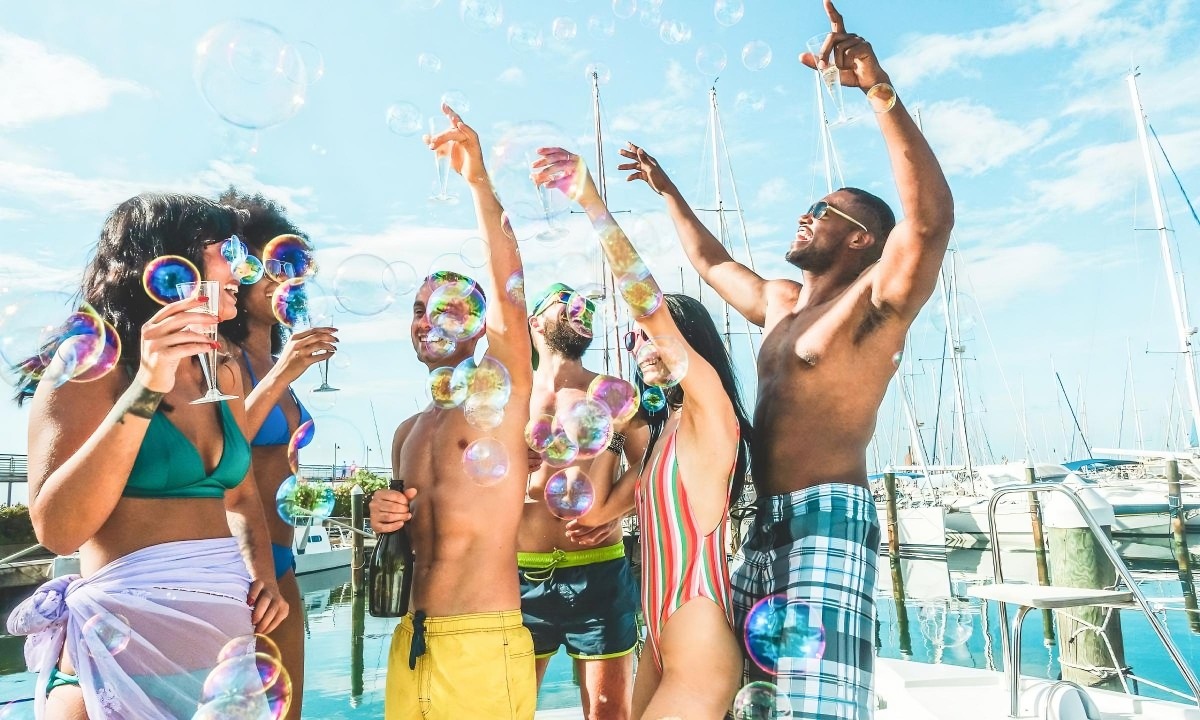
If you close your eyes and think about Dominican culture and traditions, the first image that probably comes to mind is a postcard-perfect scene: white-sand beaches, leaning palm trees over turquoise waters, and an all-inclusive resort in the background. We can’t blame you—that paradise certainly exists. However, if you never venture beyond the hotel walls, you’ll miss the island’s greatest treasure.
Behind those postcard landscapes beats the heart of a vibrant, warm, and deeply welcoming country. To truly discover the soul of this land, you have to leave the sun lounger behind, explore its streets, and connect with its Dominican traditions. Welcome to the heart of Dominican local life.
Family and community: the heartbeat of the island
If there is one thing that defines the culture of the Dominican Republic, it is its people. Dominicans don’t see life as something to experience alone; for them, happiness is always meant to be shared. Family is the center of everything, but here the concept of “family” naturally extends to neighbors, friends, and even travelers who have just arrived.
A typical Sunday afternoon scene? Families gathered outside their homes, playing cards or dominoes with contagious enthusiasm while laughter fills the streets.
This hospitality is not something created for tourists—it is one of the country’s deepest-rooted Dominican customs. It is perfectly normal to be welcomed with a genuine smile, offered a freshly brewed cup of coffee, or invited to sit down and chat as if you were an old friend.
Dominican culture and traditions: music, dance, and joy
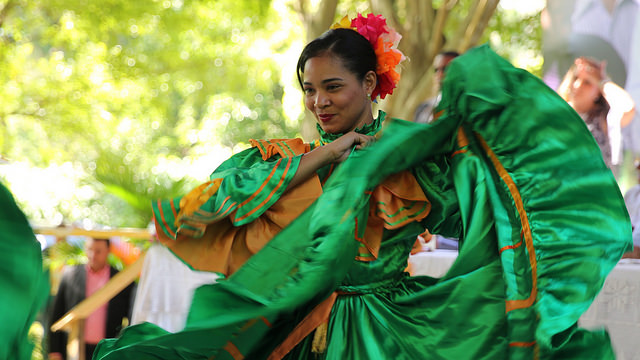
In the Dominican Republic, music is much more than entertainment—it is communication, celebration, and a way of life. It is impossible to understand everyday life on the island without experiencing Dominican music and gastronomy together.
- Merengue:
Recognized by UNESCO as an Intangible Cultural Heritage of Humanity, merengue is the heartbeat of the country. Driven by the rhythms of the güira, tambora, and accordion, it delivers an instant burst of energy. - Bachata:
Born in rural communities and working-class neighborhoods, bachata evolved from music associated with heartbreak into a worldwide phenomenon. Dancing a slow bachata is one of the most authentic ways to connect with Dominican passion and emotion.
Whether you’re in a neighborhood, a colmado (the traditional local convenience store that also serves as a social gathering place), or relaxing on the beach, music is always present. And if you don’t know the dance steps, don’t worry—locals will happily teach you.
Dominican culture and traditions: the flavors of the Caribbean
Dominican cuisine is the result of a rich blend of Taíno, African, and Spanish influences. It is honest comfort food seasoned with fresh herbs, homemade spices, and plenty of love. If you’re looking for authentic experiences in Punta Cana or anywhere else in the country, let your taste buds lead the way.
| Traditional Dish | Main Ingredients | Cultural Meaning |
|---|---|---|
| La Bandera Dominicana | White rice, stewed beans, and meat (chicken or beef) | The traditional everyday lunch served in Dominican homes. |
| Mangú | Mashed green plantains topped with sautéed onions | The country’s signature breakfast and an important part of Dominican heritage. |
| Sancocho | A rich stew prepared with up to seven kinds of meat and root vegetables | The dish reserved for celebrations, family gatherings, and rainy days. |
A deep connection with nature and rural life
Far beyond the highways and resort areas lies rural Dominican Republic—a fertile land where the mountains of the Central Range are covered in lush green forests and the countryside is filled with the aromas of sugar cane, cocoa, and premium coffee.
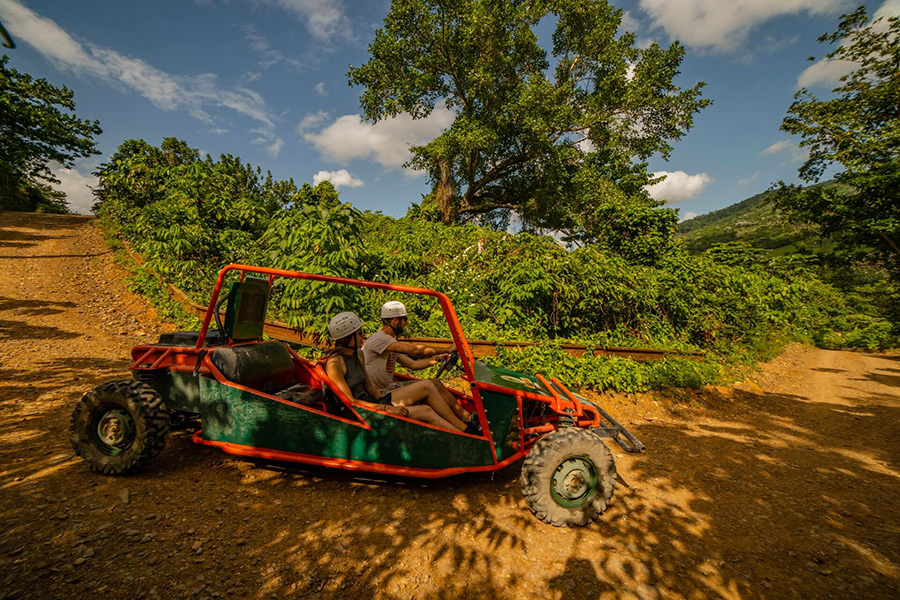
Taking part in a cultural safari in Punta Cana or visiting inland villages allows you to see how tobacco is cultivated, cocoa is harvested, and coffee is traditionally processed before becoming the drink that starts every Dominican morning.
This close relationship with the land reveals a slower pace of life, deep respect for nature’s cycles, and generations of agricultural knowledge proudly shared by local farmers.
How to truly experience Dominican culture (outside the resort)
If you’re interested in cultural tourism in the Dominican Republic and want to avoid manufactured tourist experiences, here are a few ways to connect with the country’s true essence:
- Visit a colmado:
Buy a cold drink, sit down, listen to the music, and observe daily life. It’s one of the best ways to understand Dominican society. - Explore local markets:
Wander among stalls filled with tropical fruits such as mango, papaya (lechosa), and passion fruit (chinola) for an unforgettable sensory experience. - Try local transportation:
If you’re feeling adventurous, riding a concho (shared taxi) or a guagua (local bus) offers a genuine glimpse into everyday Dominican life. - Talk to local people:
Ask about their stories, recipes, traditions, and expressions. The country’s greatest richness lies in its people and their conversations.
Why discovering the culture transforms your trip
Travel is about much more than collecting beautiful photographs. When you immerse yourself in Dominican culture and traditions, your vacation becomes something far deeper and more meaningful.
You return home carrying far more than a suntan—you leave with the sound of bachata still playing in your mind, the taste of Dominican coffee lingering on your palate, and the warmth of a people who welcomed you from the very first moment.
Ready for the real journey?