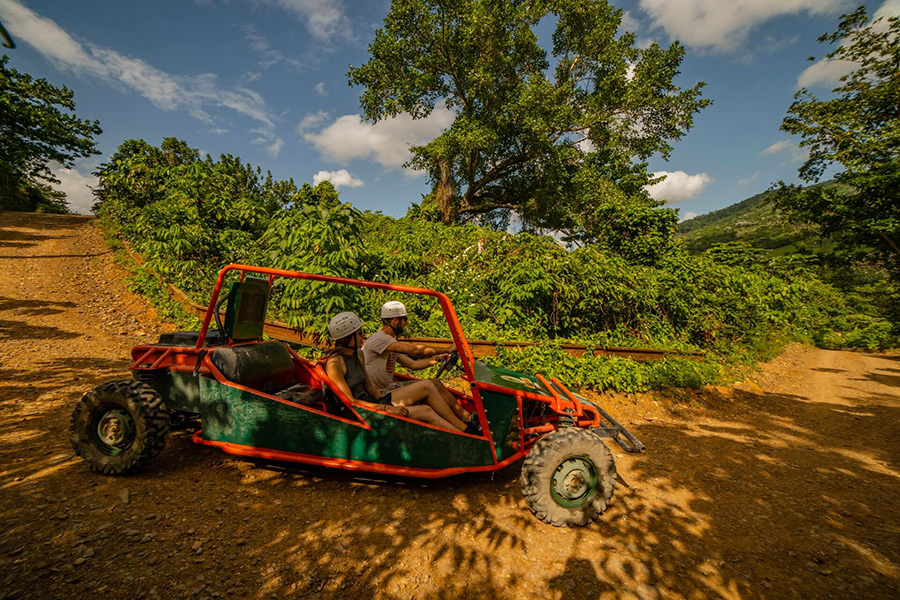
Rural life in the Dominican Republic is a hidden treasure tucked between mountains and valleys, waiting for travelers brave enough to cross the invisible border of the resort and discover the true soul of the island.
When most travelers book a flight to the Dominican Republic, their imagination immediately jumps to a hammock hanging between two palm trees, the sound of waves gently reaching the shore, and impeccable service anticipating every need. It’s the idyllic image of luxury resorts — an undeniable oasis of comfort. However, for those curious enough to look beyond the hotel walls, the Dominican Republic hides a much more vibrant, noisy, and authentic secret: its rural soul.
Rural life in the Dominican Republic is not just scenery you pass through; it is the very fabric of the nation’s identity. It is a world where asphalt gives way to red dirt roads and where the smell of sunscreen is replaced by the rich scent of rain on fertile soil and the sweet smoke of wood-burning stoves. Here, the country’s true wealth reveals itself through the unconditional hospitality of its people and a culture that has remained intact despite the passing of time and modernity.
Daring to discover this side of the island is an invitation to disconnect from the clock and reconnect with your senses. It’s about understanding why Dominicans always seem to smile despite hardships, and how the land — the same land that produces some of the world’s finest coffee and cocoa — dictates the rhythm of everyday life.
In this guide, we invite you to leave the comfort of the sun lounger behind for a moment and immerse yourself in authentic Dominican culture, traveling through villages where time slows down and hearts open naturally. Prepare yourself for a promise of honesty: what you’ll find in the countryside is not a performance for tourists — it is life in its purest and most fascinating form.
What is rural life in the Dominican Republic really like?
Far from the tourist crowds, time seems to follow different rules. Life in the rural villages of the Dominican Republic is an ode to simplicity and community. Here, wealth is not measured by luxury, but by the quality of a conversation shared under the shade of a mango tree.
- The rhythm:
Slow but constant. The day begins with the crow of a rooster and ends when the sun disappears behind the plantations. - The community:
In the Dominican countryside, no one is truly a stranger. Hospitality is a core value; it’s common to see neighbors sharing lunch leftovers or playing dominoes together outside their homes. - The connection:
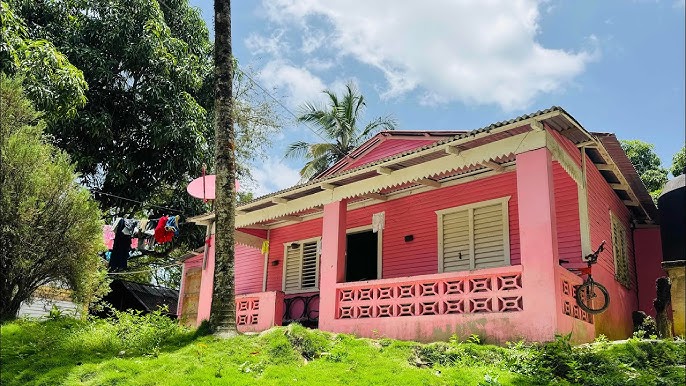
There is a natural harmony with the environment. Houses, often painted in bright colors, blend perfectly into landscapes of almost electric green vegetation.
Traditions rooted in the land: coffee, cocoa, and home
To understand authentic Dominican culture, you must first understand its relationship with the land. Historically, rural life in the Dominican Republic has revolved around agriculture, shaping its deepest traditions.
- The coffee and cocoa cycle:
Watching the artisanal process — from bean to cup — is a complete sensory experience. The smell of roasted cocoa is literally the perfume of the Dominican countryside. - Traditional architecture:
Small wooden houses with zinc roofs and bright colors are not only beautiful; they tell the story of families who have lived on this land for generations. - Rooted gastronomy:
Sancocho cooked over firewood or handmade coconut sweets offer flavors no five-star restaurant could ever replicate.
A natural environment that heals everything
The rural landscape is more than just a photo backdrop; it is a living ecosystem. From mountain hills to eastern plains, biodiversity here is extraordinary. This relationship with the land defines many Dominican traditions: respect for rainfall, knowledge of medicinal plants, and even the wisdom of using lunar cycles for planting.
How to discover it: the cultural safari as a gateway
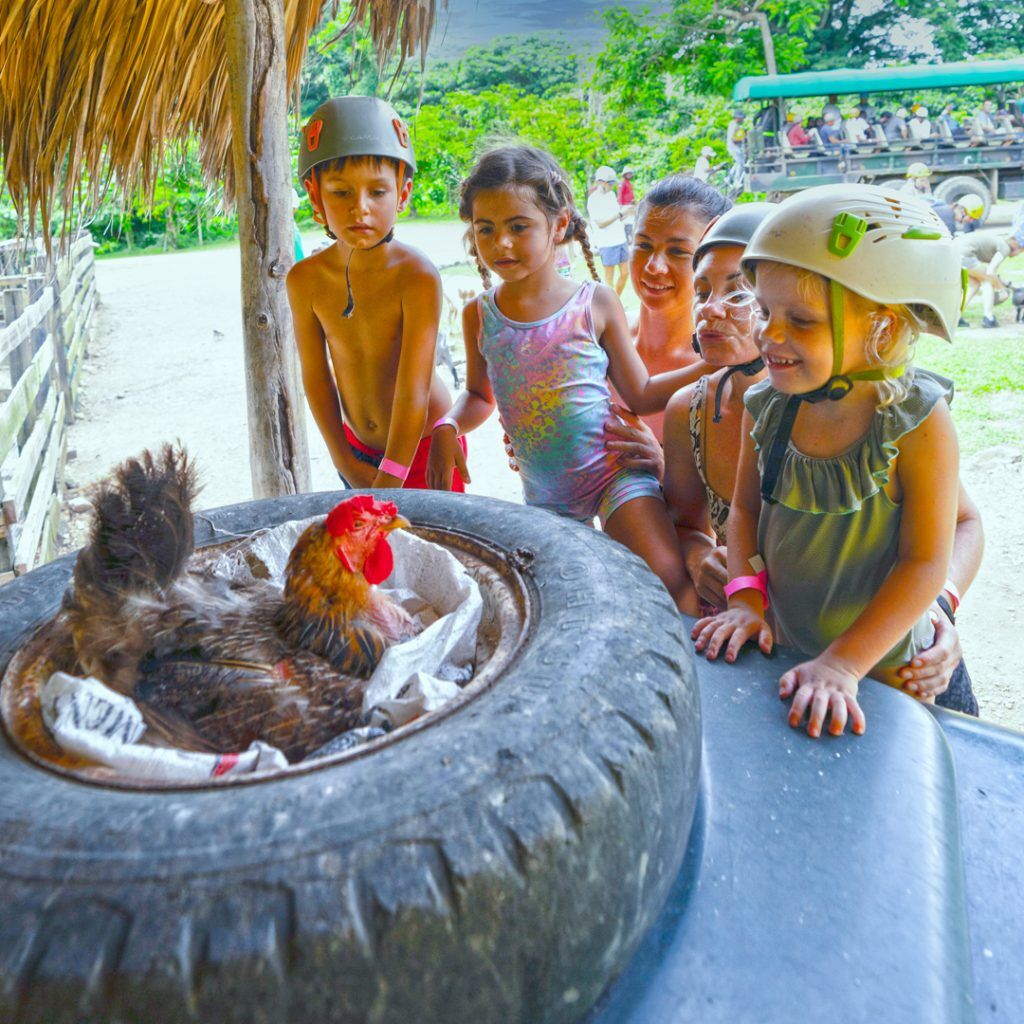
Many travelers wonder what to do outside the resorts in Punta Cana without losing comfort or safety. The most authentic answer is to immerse yourself in a cultural safari.
At La Hacienda Park, we’ve created an experience that acts as a bridge between two worlds. It’s not only about observing — it’s about participating. Our safari takes you deep into the rural area of Anamuya, where you can:
- Visit a real countryside home.
- Learn about the cultivation of local products.
- Taste traditionally processed coffee and chocolate.
- Experience rural tourism in Punta Cana in a respectful and immersive way.
“You haven’t truly visited the Dominican Republic until you’ve listened to the silence of the countryside and the sound of freshly ground coffee.”
Why experiencing rural life in the Dominican Republic will change your trip
Discover what rural life in the Dominican Republic is really like
Choosing local experiences in the Dominican Republic transforms a conventional vacation into a journey of personal discovery. Leaving the all-inclusive bubble behind is not just a change of scenery — it’s a change of perspective that allows you to connect with the essence of the island in three meaningful ways:
Humanizing the destination:
Mass tourism often reduces countries to landscapes. By entering rural areas, you stop being a spectator and become a guest. You’ll understand that behind every smile there is a story of hard work, and that Dominican joy is not a marketing slogan, but a philosophy deeply rooted in resilience.
Positive and circular impact:
Rural tourism is one of the strongest tools for sustainable development. By visiting local plantations and participating in community-based experiences, you directly support farming families in preserving their land and traditions.
Memories with soul:
Let’s be honest: years from now, you may forget the design of your hotel pool, but you will never forget the taste of fresh cocoa taken directly from the pod or the warmth of a conversation — even through gestures — with a local producer. Those are the stories worth bringing home.
Tips for the explorer traveler: respect, rhythm, and attitude
If you decide to venture into the countryside, remember that you are not entering a museum, but the home of people who value their privacy and traditions. To make your encounter with rural life in the Dominican Republic enriching for everyone, follow these principles:
Dress appropriately:
Rural areas can be humid and uneven. Wear closed and comfortable shoes, bring insect repellent, and don’t forget a hat. Physical comfort allows you to focus fully on the experience.
The importance of greeting:
In the Dominican countryside, greetings are sacred. A simple “good morning” or “God bless you” opens doors that money never could. Don’t rush into spaces — take a moment to acknowledge the people around you.
Ethical photography:
The colorful rural houses are tempting for any camera, but always ask permission before photographing people or the inside of their homes. Most will gladly agree, and the gesture itself shows deep respect.
Support fair trade:
If you have the chance to buy coffee, cocoa, honey, or handicrafts directly from local producers, do it. You’ll receive products of far better quality than airport souvenir shops while ensuring the money goes directly to the people who created them.
Rural life reveals the true heart of the Dominican Republic. It is loud, colorful, aromatic, and above all, deeply human. It is the place where roots sink into the earth to sustain the joy of an entire people.