
On the cattle ranches of Higüey, a horse helped a herder cover the pastures, find scattered cattle and bring them together. Working over that ground called for stamina and a steady temperament, two qualities still valued in the Dominican Criollo horse. The horses at La Hacienda Park in Anamuya offer a glimpse of this rural tradition in the eastern Dominican Republic.
What does Criollo mean?
In the name caballo criollo dominicano, the Spanish word criollo points to generations of horses raised on the island and adapted to local conditions. The name tells you something about where those horses belong. To get to know an individual horse, its experience with people and its own temperament matter, too.
How horses came to Hispaniola
In 1493, horses landed at La Isabela on the north coast of what is now the Dominican Republic. They had boarded ships in the Canary Islands on Christopher Columbus’s second voyage. In the years that followed, foals were born on Hispaniola and more horses arrived from the Iberian Peninsula. Some were then taken from Hispaniola to other Caribbean islands.
A single tooth offers a glimpse of those early horses. At Puerto Real, in present-day Haiti, archaeologists recovered a fragment of a sixteenth-century molar. Researchers initially identified it as a cow’s tooth, until DNA analysis revealed it belonged to a horse. The study of the Puerto Real horse tells the story of that discovery.
The horses of Higüey, from cattle ranches to feast days
On the hatos, or cattle ranches, herders could ride between pastures and move their cattle on horseback. Higüey also developed a horse with a more specific name, the Paso Higüeyano. Local breeders value this breed for its distinctive four-beat gait.
On August 14, riders parade their horses through Higüey as part of a celebration honouring the Virgin of Altagracia. The Dominican law recognising the Paso Higüeyano as a national breed records this custom. For the breeders, the procession is a chance to show neighbours the horses they have raised.
Meet the Criollo horses of Anamuya
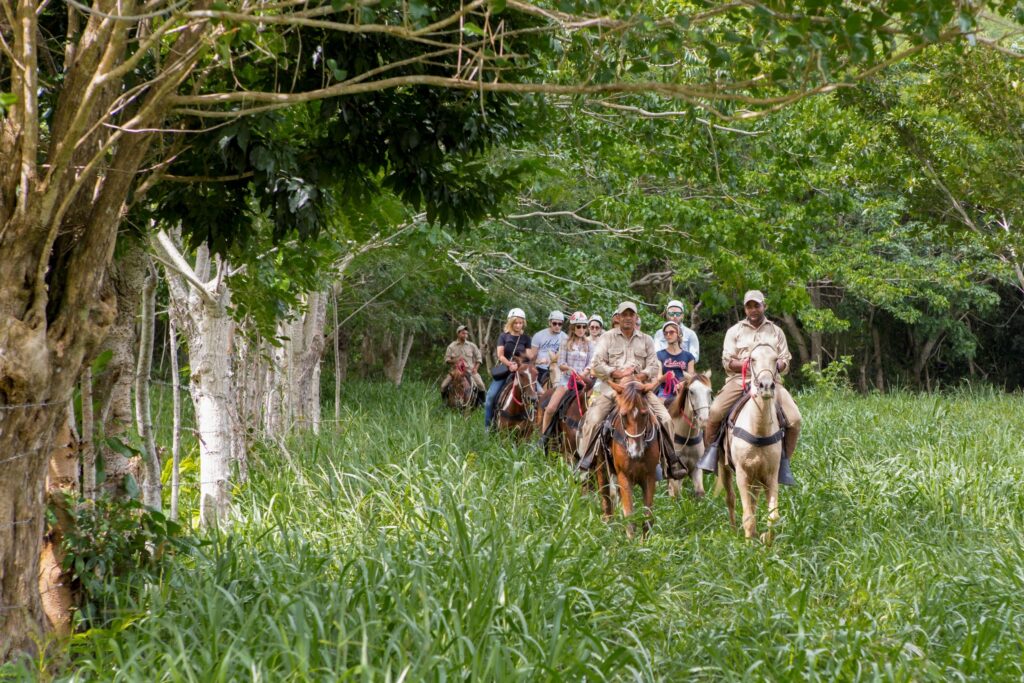
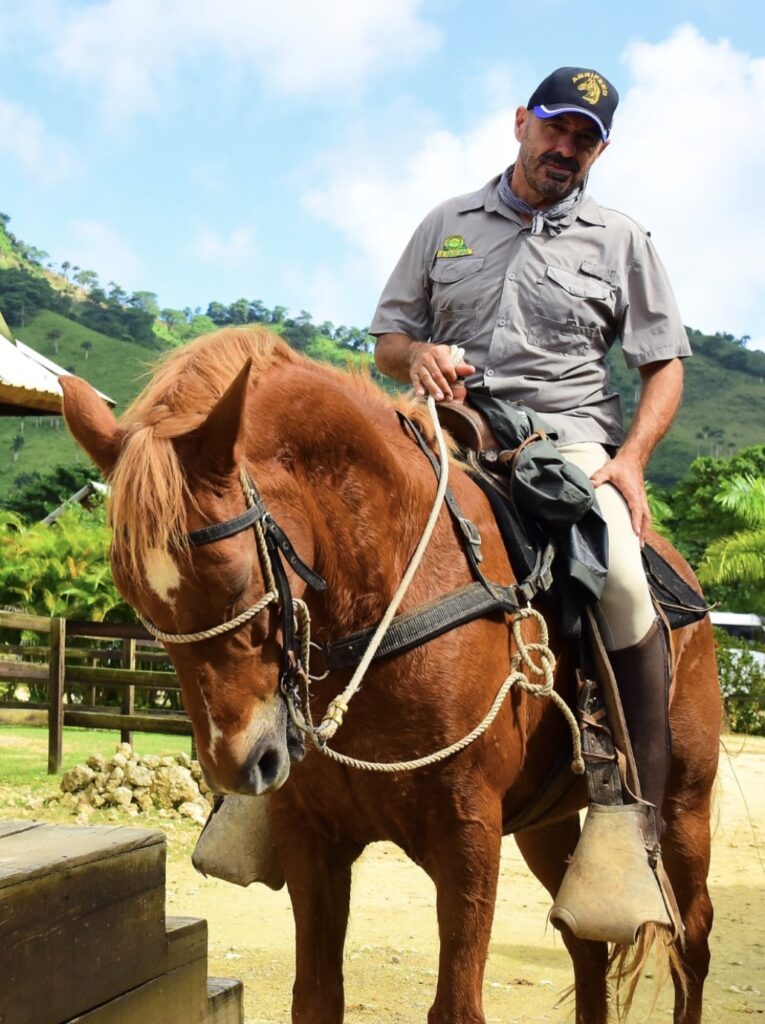
At La Hacienda Park, Criollo horses accompany the guides on the trails of Anamuya. Each has its own rhythm. Ask a guide the name of the horse in front of you and how they tell it apart from the others. Watching the horse come to a halt at a familiar cue and then step forward again gives you a sense of how the two communicate.
For trail details and rider requirements, visit the park’s guided horseback riding experience.